If you are thinking about buying a rental property in Rehoboth Beach, one question matters more than almost anything else: how will this specific location work for guests in real life? In a compact resort market where beach access, parking, walkability, and local rules can change the guest experience block by block, small location differences can have a big impact. This guide will help you evaluate rental potential in Rehoboth Beach neighborhoods using practical, public-facing factors you can actually compare. Let’s dive in.
Why location matters in Rehoboth Beach
Rehoboth Beach is a small city with an outsized visitor draw. The city centers its appeal around the beach, boardwalk, downtown shopping and dining, bandstand concerts, parks, and nearby outdoor destinations like Cape Henlopen and Delaware Seashore state parks. For a rental property, that means convenience is often part of the product you are offering.
The seasonal nature of the market also shapes how you should think about value. According to the city’s comprehensive development plan, only 763 of 3,305 housing units were occupied in 2019, while 76.9% were listed as vacant, reflecting the area’s strong seasonal and second-home profile. In practical terms, that is why guest access, turnover ease, and summer operating logistics may matter more than a typical year-round neighborhood comparison.
Visitor volume adds more context. A DNREC shoreline economic analysis found that Rehoboth and Dewey together receive nearly six million beach visits annually, with Rehoboth Beach alone accounting for more than 40% of total Atlantic beach recreation in the report. That does not guarantee performance for any one home, but it helps explain why homes near the beach, boardwalk, and downtown activity centers often attract the most attention.
Compare neighborhoods by guest convenience
When you evaluate rental potential in Rehoboth Beach neighborhoods, start by thinking like a guest. Ask yourself how easy it would be to get to the beach, carry gear, park a car, grab dinner, or attend an evening event without stress.
Because Rehoboth Beach is only about one square mile, even a short difference in distance can change how a property lives for visitors. The city’s experience page and public amenities map can help you compare those differences in a concrete way.
Boardwalk and ocean-block areas
The boardwalk, ocean-block, and bandstand corridor offer the most direct convenience. Guests are close to the sand, the boardwalk, downtown restaurants and shops, and free events near the bandstand, all of which the city highlights as key parts of the Rehoboth experience.
That convenience can come with tradeoffs. Summer crowding is heavier in this area, and parking restrictions can create more friction for guests who drive. If you are reviewing a property here, look closely at whether it includes dedicated parking and how easy it is for guests to load in and out during peak season.
Downtown and nearby in-town blocks
Properties around Rehoboth Avenue and nearby in-town blocks can appeal to guests who want a walkable stay without being directly on the busiest beach stretch. The city notes access to restaurants, boutiques, public services, and local amenities, which can make these locations attractive for guests who value flexibility during their trip.
In a market this compact, a home a little farther from the boardwalk may still feel very convenient. The main difference is often not whether guests can walk, but how often they choose to walk versus drive, bike, or use local transit.
West-side and park-adjacent pockets
Residential pockets near Grove Park, Lake Gerar, Central Park, Stockley Street Park, and other city parks may feel quieter while still keeping you close to the core of town. These areas can appeal to guests who want a less busy setting but still expect easy access to beach and downtown activity.
For these locations, the biggest rental question is often transportation convenience. A property may compare well if it offers off-street parking, bike-friendly access, or a practical connection to shuttle service that helps offset a slightly longer trip to the beach.
North and south edge locations
Homes near the northern edge of the city may benefit from proximity to Cape Henlopen access, while southern edge locations can connect well to Delaware Seashore State Park and the broader beach corridor. These homes may suit guests who are comfortable using a car, bike, or shuttle rather than insisting on a short walk straight to the boardwalk.
For some buyers, these areas can offer a different balance of access and pace. The key is to match the property’s location with the kind of guest stay it naturally supports.
Rental rules can shape true potential
A property is not truly rental-ready just because it looks appealing online. In Rehoboth Beach, local licensing, occupancy, taxes, and complaint history all affect the practical side of ownership.
The city requires a residential rental license before any owner rents a property. Current city guidance says owners must provide a 24/7 local contact, complete an annual self-inspection, educate tenants, and post the license and contact information inside the rental. The city also states that the owner remains responsible even when a representative or manager is involved.
Occupancy limits matter
Bedroom count is not just a marketing detail in Rehoboth Beach. Under the city’s residential rental rules, overnight occupancy is limited to two persons per bedroom plus two additional persons, and children under age six do not count toward that total.
That makes layout and legal bedroom count important during your evaluation. If you are comparing two homes with similar square footage, the one with a more functional bedroom configuration may have a clearer compliance path for short-term rental use.
Taxes affect operating math
Taxes are another important part of the analysis. The city states that property owners who rent homes are subject to a 7% rental tax, while Delaware separately imposes a 4.5% short-term rental lodging tax on rentals of no more than 31 consecutive nights.
The state also notes that its tax does not replace municipal taxes. If bookings happen through a third-party platform, that platform must be a Delaware-licensed accommodations intermediary. If not, the owner must collect and remit the tax and obtain the required state license.
Complaint risk is an operating issue
In a resort setting, guest behavior can affect future feasibility. According to the city code on rental violations and renewals, after three or more distinct violations in a 12-month rental-license period, the City Manager may refuse to issue a license for the next rental period.
That makes house rules, trash handling, noise control, and rapid response systems more than housekeeping details. They are part of the property’s real operating profile and should be considered early when you evaluate whether a home fits your rental plans.
Parking can make or break demand
In Rehoboth Beach, parking is not a small detail. It is often one of the first things guests notice, especially during peak summer weeks.
The city’s parking permit rules state that from May 15 through September 15, permits are required in non-metered areas from 10 a.m. to 5 p.m., while meters require payment from 10 a.m. to 10 p.m. at $4 per hour. The city also notes that current property owners receive two transferable parking permits each March, which can be helpful context when comparing homes.
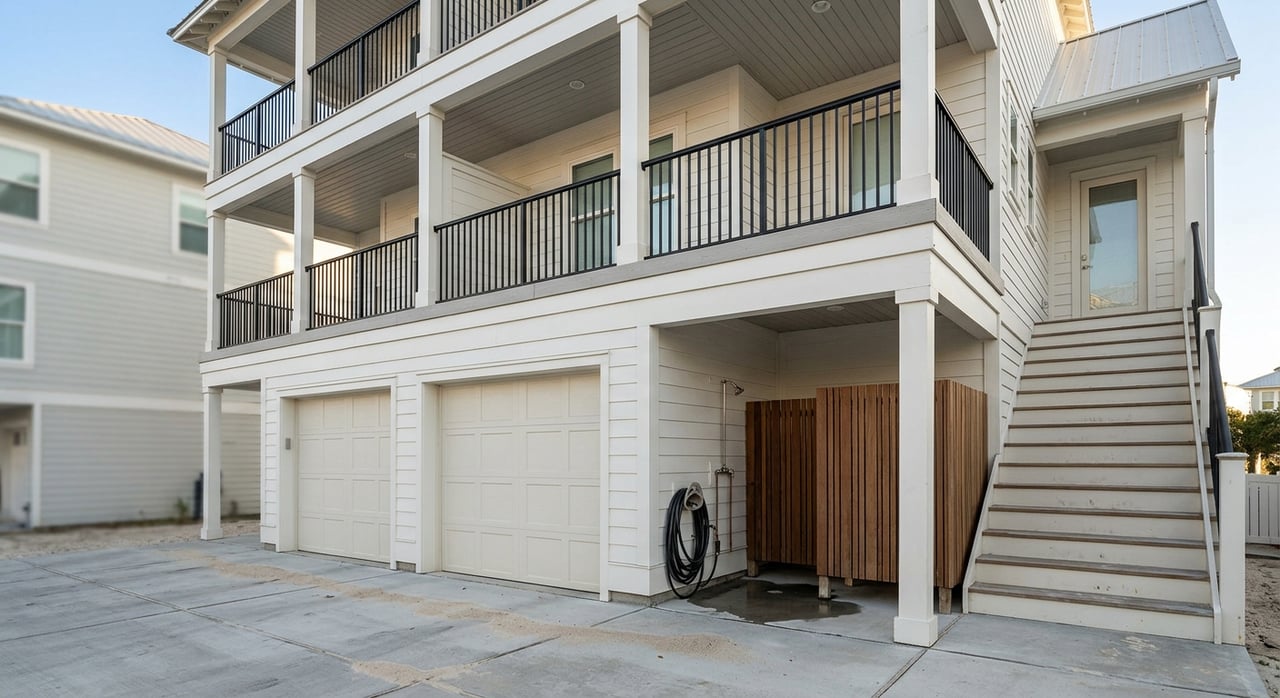
A dedicated driveway, garage, or assigned off-street space may materially improve the guest experience. If a property does not have dedicated parking, you should weigh how seasonal permits, metered parking, trolley access, and walkability affect its appeal.
Don’t skip HOA and condo review
If you are considering a condo or home in a planned community, make governing document review part of your first-pass diligence. Delaware law provides that declarations may include restrictions on leasing, unit use, or occupancy, and amendments may also change what is allowed with the required vote threshold.
That means a property can look like a strong rental candidate on paper but still have practical limits based on condo or HOA rules. Reviewing those documents early can save time and help you compare properties on realistic terms instead of assumptions.
A practical Rehoboth rental checklist
When you review a potential rental property, focus on operating practicality over guesswork. Public sources from the city and state can help you classify a home as a walk-to-beach listing, a parking-sensitive listing, or a transit-dependent listing.
Use this checklist as a starting point:
- How many legal bedrooms does the property have?
- What overnight occupancy does that allow under the city formula?
- Is there dedicated off-street parking?
- How close is the property to the beach, boardwalk, bandstand, downtown, trolley, or DART access?
- Will guests likely walk, bike, shuttle, or drive for most outings?
- Is a residential rental license already in place, or what steps are needed?
- Who will serve as the required 24/7 local contact?
- How will lodging and rental taxes be handled?
- Do condo or HOA documents allow the rental term you intend to use?
- Does the property’s location support the kind of guest experience you want to offer?
The goal is not to predict returns from a blog checklist. It is to help you compare opportunities with a clearer lens and avoid overlooking the details that often shape ownership in a seasonal beach market.
What smart buyers look for
In Rehoboth Beach, the strongest rental candidates are often the homes that match location, access, and rules in a coherent way. A beautiful property near the beach may still have friction if parking is difficult. A quieter in-town property may become more compelling if it offers easy bike access and dependable off-street parking.
That is why careful evaluation matters. When you look beyond photos and ask how a home will function for guests, you can make a more confident purchase decision and better understand the tradeoffs between convenience, compliance, and day-to-day usability.
If you are weighing a condo, beach cottage, or luxury coastal home for personal use and rental potential, working with an advisor who understands both neighborhood nuance and property-level diligence can save time. Justin Healy offers thoughtful guidance for buyers navigating Rehoboth Beach and the surrounding Delaware coast.
FAQs
What makes one Rehoboth Beach neighborhood better for rentals than another?
- The main differences usually come down to beach access, walkability, parking, proximity to downtown amenities, and how easily guests can move around during peak season.
What are the occupancy rules for Rehoboth Beach rental properties?
- The city’s residential rental code limits overnight occupancy to two persons per bedroom plus two additional persons, with children under age six not counted toward that total.
Do you need a license to rent out a home in Rehoboth Beach?
- Yes. The city requires a residential rental license before an owner rents a property, along with a 24/7 local contact, annual self-inspection, and posted rental information.
How do parking rules affect Rehoboth Beach rental potential?
- Parking can strongly affect guest convenience because summer permits and metered parking rules are in place, so homes with dedicated off-street parking may be easier for guests to use.
Can a condo or HOA limit rentals in Rehoboth Beach?
- Yes. Condo and planned community documents may include restrictions on leasing, use, or occupancy, so document review is an important part of rental-property diligence.
What taxes apply to short-term rentals in Rehoboth Beach?
- Rehoboth Beach states a 7% rental tax for property owners who rent homes, and Delaware separately imposes a 4.5% short-term rental lodging tax on rentals of no more than 31 consecutive nights.