Imagine waking up to calm canal views or stepping onto sand from your back deck. Buying on the Lewes waterfront can deliver a one‑of‑a‑kind lifestyle, but it also comes with unique rules, costs, and maintenance. If you want confidence before you write an offer, you need clear answers on flood zones, docks, insurance, and neighborhood fit. This guide walks you through the essentials so you can choose the right waterfront in Lewes with clarity. Let’s dive in.
What “waterfront” means in Lewes
Delaware Bay and oceanfront
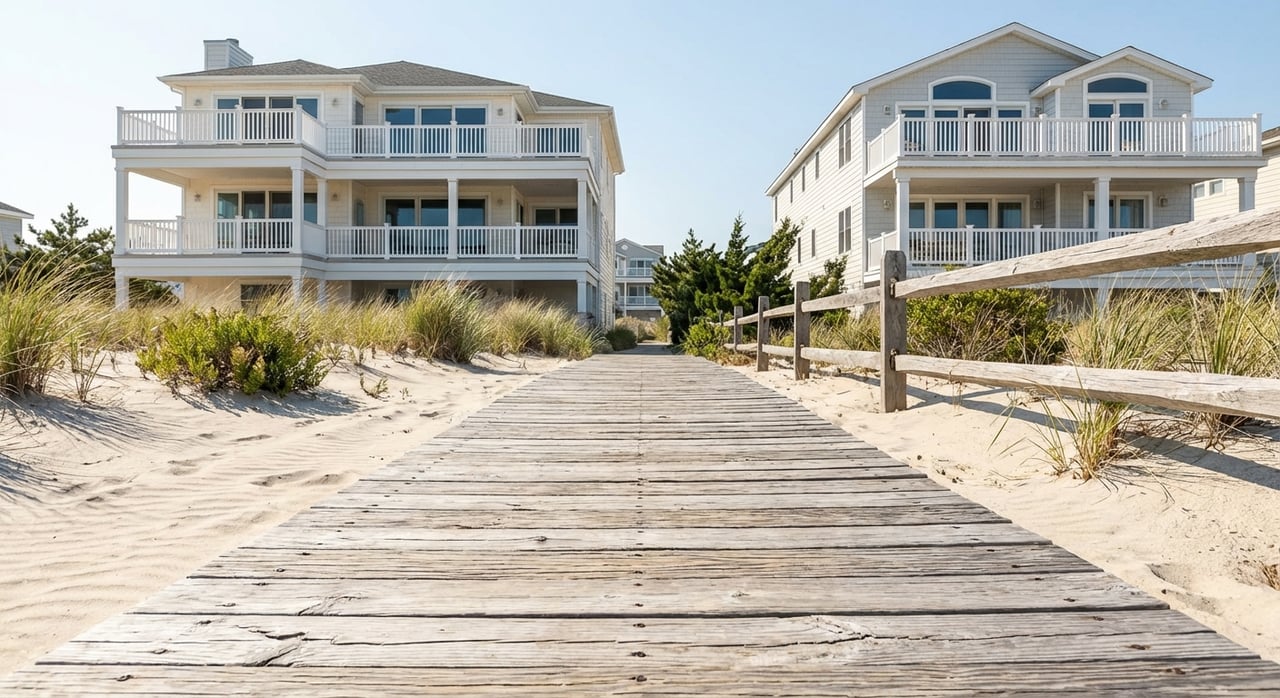
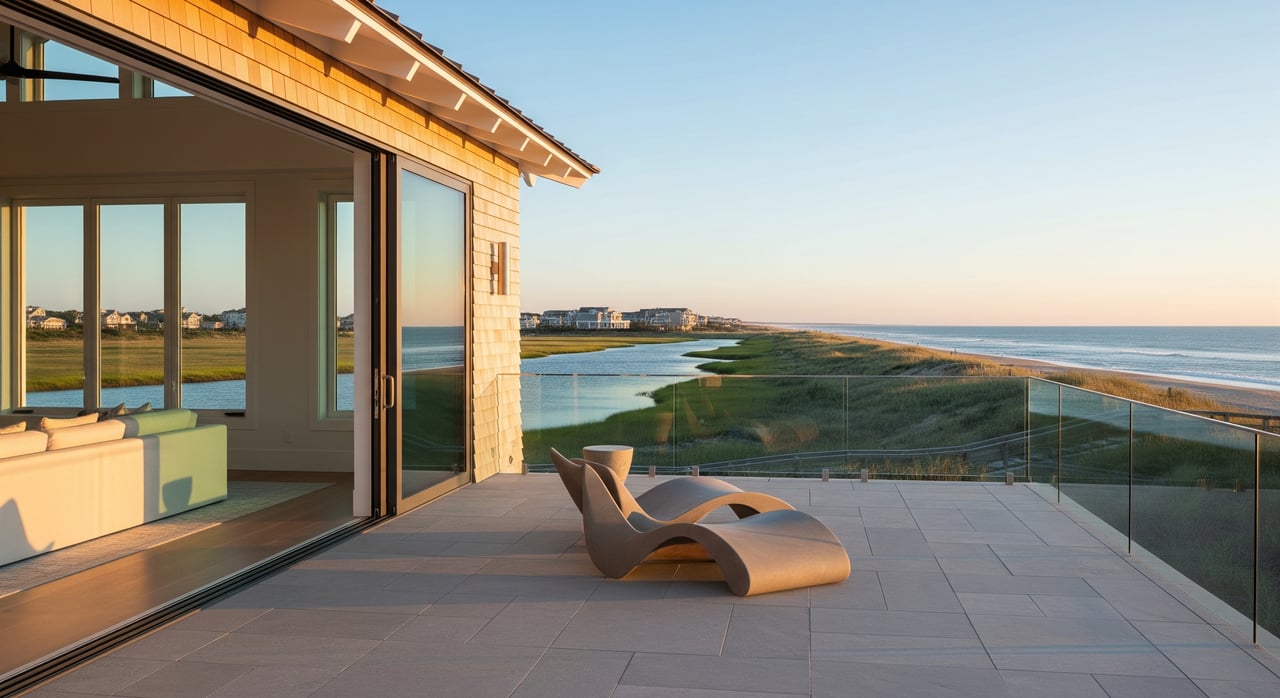
Bayfront and ocean‑facing homes give you direct access to open water, long views, and beach days. You will see more wind exposure, higher wave energy, and greater storm surge potential than sheltered inland waters. Many buyers value proximity to trails, fishing, and beaches at Cape Henlopen State Park. Expect coastal erosion management and public access rules to shape how dunes and shorelines are maintained.
Inland bays and estuaries
On the inland bays and connected channels you get calmer water, broad marsh views, and great conditions for paddle sports and fishing. Channels are shallower and tidal flats are common, which can limit deep‑draft boating at low tide. Near wetlands, state rules often guide what you can build; you can check general guidance with DNREC and use NOAA Tides and Currents for local tide windows.
Canalfront and harborfront
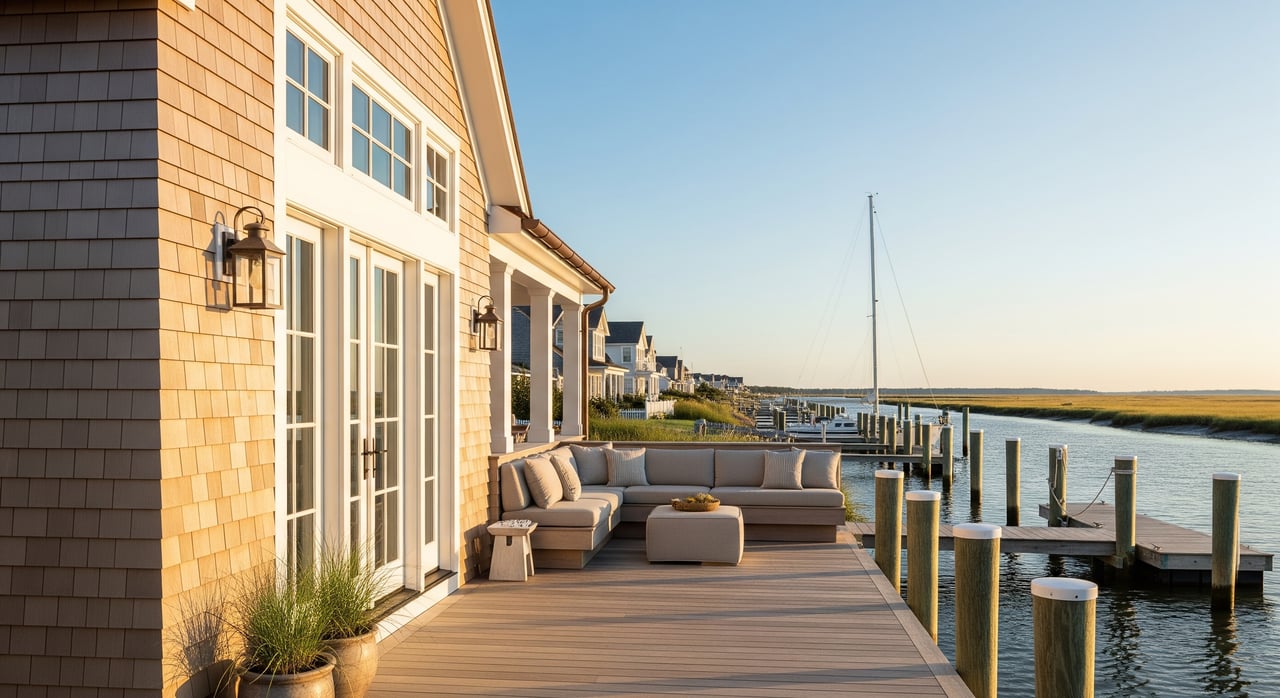
Canal and harbor locations offer protected water, easier mooring, and quick access to navigation channels that lead to the bay. Several neighborhoods are walkable to downtown restaurants, shops, and marina services. Local organizations like the Lewes Yacht Club provide community, races, and practical boating knowledge.
Home types and architecture
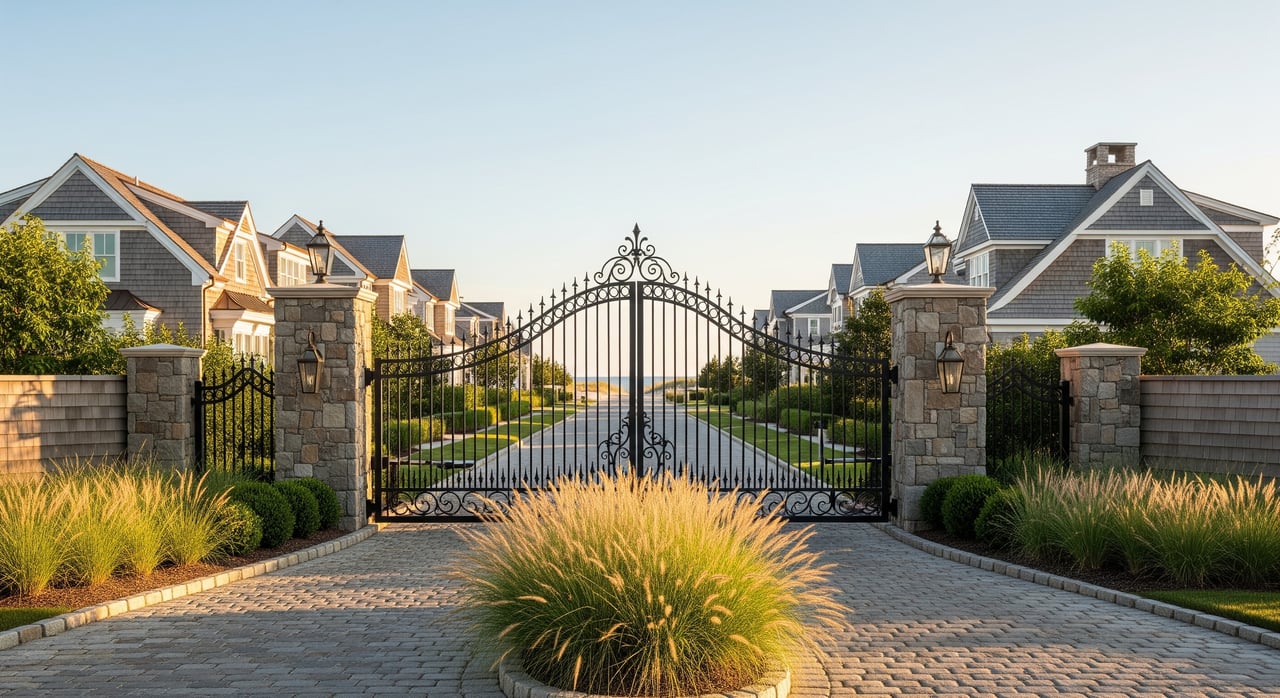
You will find single‑family homes, duplexes and townhomes, and waterfront condos. If private dockage matters, single‑family properties on canalfront lots are common contenders. Condos and townhomes can deliver lower maintenance and sometimes include community docks or leased slip access.
Historic cottages near downtown often show Victorian or Colonial details on smaller lots. Newer builds on exposed sites tend to be elevated beach houses on pilings that meet coastal elevation and wind standards. Materials matter on the water, so look for rot‑resistant trim, marine‑grade fasteners, and hurricane‑rated windows that stand up to salt and wind.
Boating access basics
Docks and slip rights
Confirm whether a property includes a private dock, a community facility, or a leased marina slip, and whether that slip transfers with the sale. Ask for documentation showing deeded riparian rights and easements. Many area marinas use waiting lists and limit draft and length, so verify fees, rules, and availability in writing.
Permits are a key step for any new or modified dock, pilings, or bulkhead. In Delaware, projects near wetlands and tidal waters typically require approvals through DNREC. Size, location, and construction methods can be restricted to protect sensitive habitats.
Channel depth and dredging
Check the mean low water depth for the channel serving the property to match your boat’s draft. Some communities coordinate dredging on cycles that affect both access and costs. Ask who pays for dredging, how reserves are handled, and when the last work occurred.
Launching, storage, and haul‑out
If you plan to trailer or store your boat, confirm access to public ramps and nearby marinas with winter storage and haul‑out. For seasonal owners, convenient storage and service can be the difference between frequent use and hassle.
Walkability and lifestyle
Downtown Lewes and several canalfront streets are walkable to restaurants, boutiques, and marina services. You can access parks, trails, and seasonal ferry service, which reduces driving during busy summer weekends. Bayfront and oceanfront homes farther from the historic core often trade walkability for privacy and bigger views. You can preview neighborhood services and public resources through the Town of Lewes and plan recreation time at Cape Henlopen State Park.
How location affects price
Waterfront premiums typically follow a clear pattern. Direct frontage with private dockage usually commands the highest values, followed by water‑view homes with access but no deeded dock. Proximity to downtown and beaches often adds value, and canal or harbor frontage is especially coveted by boaters.
Inventory in beach towns can be seasonal, with active second‑home demand in spring and summer. Waterfront listings often move faster and carry lower inventory than inland homes. For pricing, review recent closed sales through Bright MLS data or a local market analysis, then weigh lot orientation, dock rights, and walkability in your offer strategy.
Insurance and flood zones
Coastal risk and insurance should be evaluated early. Use the FEMA Flood Map Service Center to identify the flood zone and Base Flood Elevation for any address. Determine FEMA flood zone and Base Flood Elevation early, since they influence build requirements, financing, and insurance cost.
If a property is in a Special Flood Hazard Area, most lenders require flood coverage through the National Flood Insurance Program or private carriers. Compare NFIP and private policies on coverage, deductibles, and limits using consumer resources at FloodSmart. Coastal homes also face wind and hurricane exposure, so ask your insurance advisor about carriers that underwrite near the shoreline. NOAA’s local tide data at Tides and Currents can help you understand tidal flooding and sea level trends that may affect long‑term risk.
New construction and substantial renovations in coastal zones usually must be elevated above the BFE and meet enhanced wind resistance standards. Expect to provide an elevation certificate during permitting or underwriting.
Maintenance and long‑term costs
Waterfront ownership requires proactive care. Bulkheads, seawalls, riprap, and living shorelines all have life cycles and may require repair or replacement. Work on shoreline structures often needs permits, so factor lead time and regulatory steps with DNREC into your plans.
Salt air accelerates wear on HVAC systems, metal fasteners, railings, and exterior finishes. Budget for more frequent service and consider corrosion‑resistant materials during updates. Docks, lifts, and pilings should be inspected regularly, and in some locations seasonal removal of components is recommended.
Confirm whether the property is on municipal water and sewer or relies on a private well and septic system. Septic systems near marshes and wetlands have additional rules and maintenance needs. You can start with the county’s public resources at Sussex County Government and the Town of Lewes for utility details.
Environmental and legal factors
Properties near tidal wetlands are often subject to buffers, setbacks, and stricter permits. Review wetland mapping and coastal guidance through DNREC before you plan any improvements. In Delaware, the public trust typically extends to areas below the mean high water line, which can affect how shoreline areas are used.
Historic homes in Lewes may fall within a design review overlay that governs exterior changes. You can confirm boundaries, design standards, and permit steps with the Town of Lewes planning and building departments.
Your buyer checklist
Use this quick list to organize your due diligence. Save it for showings and contract negotiations.
- Flood risk and elevation
- FEMA flood zone and BFE from the FEMA Map Service Center.
- Current or prior elevation certificate, or plan to order one.
- Docks and boating
- Deeded riparian rights and any easements that affect dock use.
- Slip assignment, fees, draft and length limits, and transfer rules.
- Channel depth at mean low water and dredging responsibility.
- Shoreline and structure condition
- Recent inspection of bulkhead, seawall, or living shoreline by a marine contractor.
- Dock, pilings, and lift condition, plus maintenance records.
- Utilities and systems
- Municipal sewer and water or private well and septic status, with recent pump, inspection, or water test results.
- Age and service history for HVAC and roof.
- Insurance and costs
- Home, flood, and wind quotes for comparable coverage, plus any claim history.
- HOA or marina budgets, reserves, and any special assessment history.
- Permits and restrictions
- DNREC guidance on shoreline work and dock modifications.
- Historic district or design review requirements if applicable.
- Survey showing property lines and mean high water line.
Local resources
These official sources help you verify details and plan improvements.
- Town of Lewes for permits, utilities, and historic district guidance.
- DNREC for coastal permits, wetlands, and shoreline projects.
- FEMA Map Service Center for flood zones and BFEs.
- FloodSmart for NFIP flood insurance information.
- NOAA Tides and Currents for local tide data and sea level trends.
- Cape Henlopen State Park for recreation and coastal access context.
- Lewes Yacht Club for community boating and local navigation knowledge.
- Sussex County Government for property records and septic guidance.
Ready to narrow your search to the right canal, harbor, or bayfront street and negotiate with confidence? Connect with Justin Healy to tour the best options, verify the details that matter, and secure a waterfront home that fits the way you want to live.
FAQs
What types of Lewes waterfronts should I compare?
- Compare Delaware Bay or oceanfront for big views and exposure, canalfront for protected docking and walkability, and inland bays for calm water and marsh scenery.
How do I check a property’s flood risk in Lewes?
- Use the FEMA Map Service Center to find the flood zone and Base Flood Elevation, then get quotes through FloodSmart or private carriers.
What should I verify about docks and slips before I buy?
- Confirm deeded riparian rights, slip assignment and fees, draft and length limits, transfer rules, and any required DNREC permits for new or modified structures.
Are Lewes canalfront neighborhoods walkable to dining and shops?
- Several canalfront streets near downtown are walkable to restaurants, shops, and marinas, while outlying bayfront areas often trade walkability for privacy and larger views.
What maintenance costs are unique to waterfront homes?
- Budget for shoreline structure upkeep, dock and lift service, and faster wear on HVAC and exterior materials due to salt air, plus potential HOA or dredging assessments.