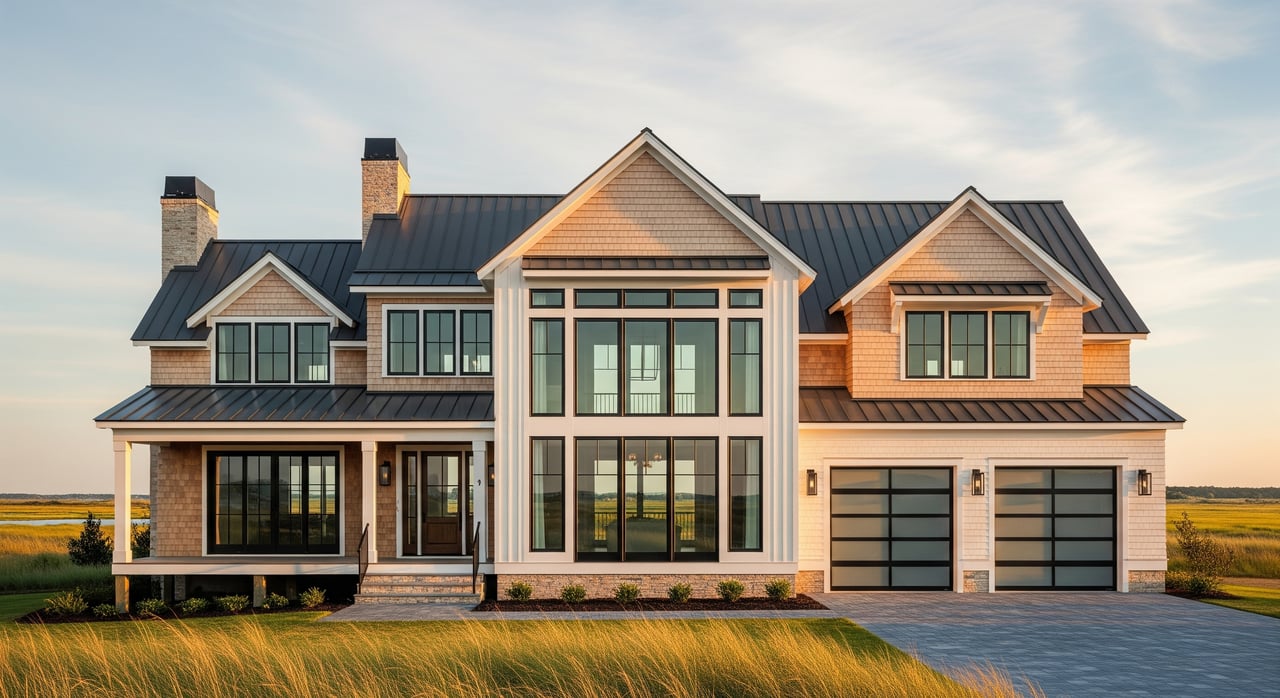
Building a new home in Lewes can feel like learning a new language. You are navigating builder jargon, coastal regulations, permits, and a lot of fine print, all while trying to lock a move-in date. The good news is that once you understand the key terms and local factors, you can make decisions faster and protect your budget. This guide breaks it all down in plain English so you can move forward with confidence. Let’s dive in.
Key terms you will hear
Spec home
A spec home is built without a committed buyer. It is usually quicker to close because construction is underway or complete. Confirm what appliances and finishes are included and whether any allowances remain.
Semi-custom home
A semi-custom home starts from a standard plan with options for finishes and upgrades. Your choices affect cost and timeline. Make selections early to avoid delays.
Base price
The base price is the starting price for a plan with a defined set of features. Many items you see in a model may be upgrades. Ask for a detailed inclusions list.
Allowance
An allowance is a budget line for items like cabinets or lighting. If your selections cost more than the allowance, you pay the difference; if less, you may receive a credit. Get allowance values and overage rules in writing.
Upgrade
An upgrade is any feature added above the base plan at a stated cost. Upgrades are priced and added to the contract. Confirm how upgrades affect the schedule.
Change order
A change order is a written change to plans or price after contract signing. It can shift both cost and timeline. Require clear pricing and timing before work starts.
Earnest money
This deposit shows good faith and may be paid in stages. Ask about refund conditions and what triggers forfeiture. Keep copies of all deposit receipts.
Construction schedule
This is the builder’s estimate of start-to-finish timing. Weather, permits, inspections, and supply chain issues can affect the date. Get an estimated move-in target and what happens if it slips.
Construction loan
A construction-to-permanent loan funds the build in draws and converts to a mortgage at completion. A stand-alone construction loan refinances into a permanent mortgage later. Draws are tied to milestones and inspections.
Draw schedule
This outlines when the lender releases funds as milestones are met, such as foundation or drywall. Know the inspection requirements for each draw. Delays in approvals can push the timeline.
Certificate of Occupancy
A Certificate of Occupancy shows the home meets code and is safe to occupy. A Temporary CO may be issued with conditions to complete later. Confirm your lender and insurer accept a Temporary CO if used.
Punch list
A punch list is a written list of items to fix before or soon after closing. Set completion dates for each item. Keep photos and signed walkthrough forms.
Warranty
New homes often follow a pattern of 1-year workmanship, 2-year systems, and 10-year structural coverage. Terms vary by builder and provider. Always read the full warranty document.
Structural warranty
This covers major load-bearing elements for a set period. Review the definition of a structural defect and exclusions. Confirm the claims process and response timelines.
Lien waiver
A lien waiver confirms subcontractors and suppliers have been paid. Obtain lien waivers at closing to avoid future claims. Keep them with your closing file.
Substantial completion
Some builders document when a project is substantially complete, which can trigger certain payments or warranty periods. Ask when this status is reached and how it is defined.
Escrow holdback
A holdback is money set aside to ensure outstanding items get finished. Know the amount, who holds it, and the conditions for release. This can help protect you during final completion.
HOA and CC&Rs
Homeowner association rules and fees affect what you can build and your ongoing costs. Review budgets, reserves, and any initial assessments. Confirm architectural approval processes for future changes.
Lewes and Sussex County factors
Jurisdiction and permits
First, confirm if the lot is inside the City of Lewes or in unincorporated Sussex County. Permit steps, inspections, zoning rules, and utility connections differ by jurisdiction. Ask for permit numbers and inspection records for any spec home you consider.
Flood zones and elevation
Lewes is a coastal market, and some areas fall within FEMA Special Flood Hazard Areas. New construction in these zones often requires elevating the finished floor above base flood elevation. Elevation can influence foundation type, insurance costs, and overall build budget.
Flood insurance and documentation
If a lender is federally regulated and the property is in a flood zone, flood insurance is usually required. Even if not required, it is smart to price coverage. Request the elevation certificate and ask about resilient features like flood vents or elevated HVAC.
Sewer, septic, and water
Some Lewes areas connect to municipal sewer, while others need on-site septic systems. Soil testing and septic permitting add time and cost. Confirm the water source and any conditions tied to service connections.
Utilities and easements
New lots may need utility extensions or approvals before final hookup. Easements can affect where you build and how soon you can connect. Ask who is responsible for scheduling utility tie-ins and when they will occur.
Dunes, wetlands, and stormwater
Coastal protections and wetlands rules guide where and how you build. Setbacks and stormwater plans can affect design and timeline. Confirm that the builder has obtained all environmental approvals.
Inspections and occupancy
City and county inspectors issue the Certificate of Occupancy. Some areas allow a Temporary CO with conditions. Confirm your lender, insurer, and HOA requirements before closing.
Contracts, financing, and timelines
Typical timelines
- Spec homes completed or near completion: about 30 to 60 days from contract, subject to appraisal and title.
- Spec homes mid-construction: about 60 to 120 days, depending on materials and inspections.
- Semi-custom homes: about 4 to 9 months or more, depending on selections and permits.
What slows projects
- Permit and plan review time.
- Weather and site conditions, including coastal storms.
- Utility tie-ins and municipal approvals.
- Supply chain issues for windows, cabinets, or HVAC equipment.
- Buyer change orders or unexpected site conditions.
Clauses to review closely
- Completion date and remedies for builder delay.
- Allowances and selection deadlines.
- Written change order process with prices and revised schedules.
- Deposit escrow, refund provisions, and builder’s right to terminate.
- Financing and appraisal contingencies, especially for spec homes.
Financing choices
- Standard mortgage on a completed spec home, if it appraises at value.
- Construction-to-permanent loan with one closing and draw inspections.
- Stand-alone construction loan that refinances into a permanent mortgage at completion.
Appraisal and price risk
- If the appraisal is below contract price, you may need to cover the gap or renegotiate.
- Markets can shift during construction. Build in protections with contingencies.
Inspections you control
- Lender inspections only verify completion for draws.
- Hire an independent inspector for pre-drywall, mechanicals, and final walkthroughs.
- Use inspection findings to shape your punch list.
Warranties and punch list
What is commonly covered
- About 1 year for workmanship and materials for items like trim, paint, and finishes.
- About 2 years for plumbing, electrical, and HVAC major defects.
- About 10 years for defined structural defects, subject to exclusions.
Always confirm the exact coverage, exclusions, and claim steps in writing. Ask whether the warranty is third-party or builder-backed.
Managing your walkthrough
- Do a full walkthrough before closing and list items clearly.
- Prioritize safety and code items first, then cosmetic issues.
- Set written deadlines and track completion after closing.
Transferability matters
Confirm if the warranty transfers to a future buyer and whether a fee applies. Transferable warranties can support resale value.
Buyer checklist and builder questions
Pre-contract checklist
- Confirm City of Lewes or Sussex County jurisdiction and obtain permit and inspection history.
- Review the full contract, allowances schedule, selection deadlines, and completion date language.
- Request the complete warranty document and any third-party warranty details.
- Ask for addresses of similar completed homes and recent buyer references.
- Verify licensing, registration, and complaint history with state regulators.
- Confirm flood zone status, elevation requirements, and any special foundation needs.
- Verify sewer or septic, water source, and utility hookup timing.
- Review HOA documents, rules, fees, and any initial assessments.
Smart questions to ask builders
- Is this lot in a flood zone, and do you have an elevation certificate or survey?
- What is included in the base price, and what are the current allowances?
- When are selections due, and how do you price allowance overages?
- What is the projected completion date, and what remedies apply for delays?
- How do you handle change orders, pricing, and scheduling after contract?
- What deposit schedule do you require and when are deposits refundable?
- Do you provide a third-party structural warranty, and can I review the full document?
- Who manages permits, inspections, and utility hookups, and will I receive copies of sign-offs and the CO or TCO?
- How do you process post-closing warranty work and punch list items?
How we help in Lewes
When you are building or buying new at the coast, you need a partner who understands plans, permitting, and presentation. Our team pairs deep local knowledge with builder relationships and a polished, concierge approach that respects your time. We help you compare spec and semi-custom options, review contracts, track timelines, and coordinate inspections. You get clarity on flood, elevation, utilities, and HOA requirements so there are no surprises at closing.
Ready to explore new construction in Lewes with a steady hand at your side? Connect with Justin Healy to discuss active opportunities and next steps. We will help you align design, budget, and timing so you can move in with confidence.
FAQs
What does “spec home” mean in Lewes new construction?
- A spec home is built without a buyer and is often quicker to close, but you should confirm what features are included and whether any allowances remain.
How long does a semi-custom build take near Lewes?
- Many semi-custom builds run about 4 to 9 months from contract, depending on selections, permits, weather, and material availability.
Do I need flood insurance for a new build in Lewes?
- If the property is in a FEMA flood zone and you use a federally regulated lender, flood insurance is typically required, and it is wise to price coverage either way.
What is a punch list at closing?
- It is a written list of items to fix or finish, created during your final walkthrough, with target dates for completion and follow-up tracking after you move in.
What should be in my builder contract?
- Look for clear allowances, selection deadlines, change order rules, completion date language, deposit refund terms, and financing or appraisal contingencies.
Are new-home warranties all the same in Sussex County?
- No, coverage varies; a common pattern is 1 year workmanship, 2 years systems, and 10 years structural, but you should always read the exact warranty document.