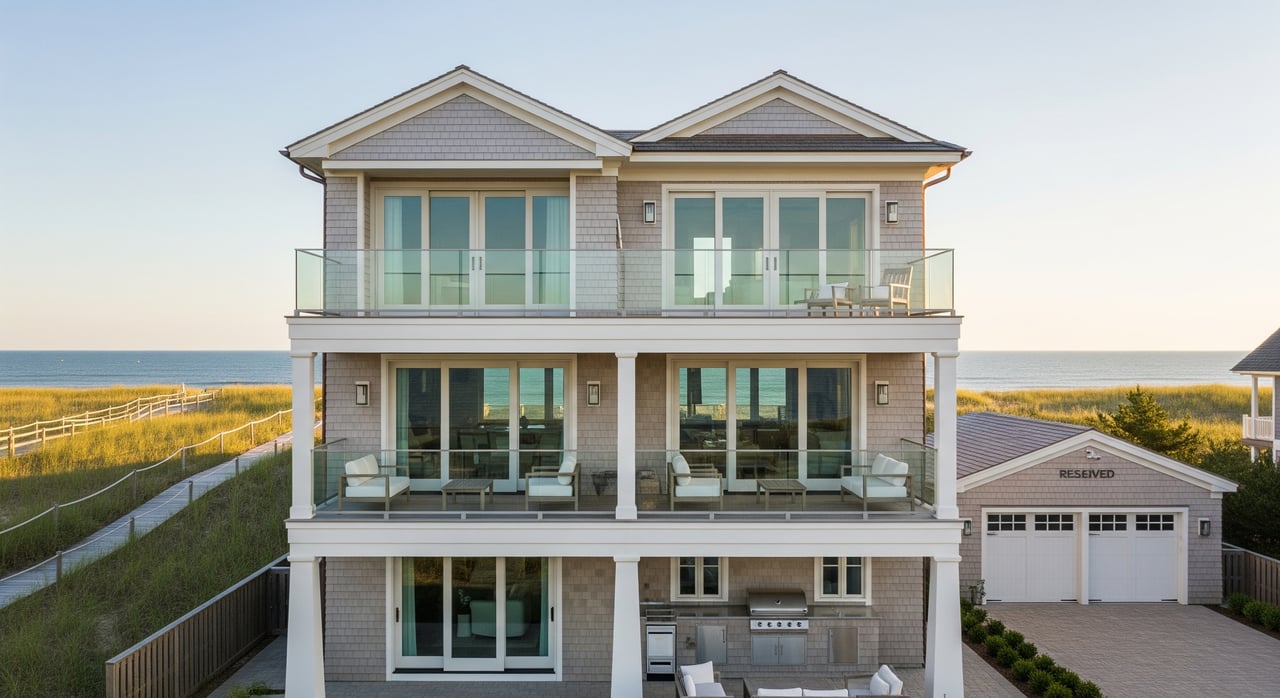
Do you picture coffee with sunrise views and the sound of waves, or a quieter street a short stroll from the sand? In Rehoboth Beach, your choice often comes down to oceanfront or ocean block. Both deliver the coastal lifestyle, but they feel different, cost different, and perform differently if you plan to rent. This guide breaks down the trade-offs so you can choose with confidence.
Let’s dive in.
What “oceanfront” means in Rehoboth
Oceanfront properties sit directly on the Atlantic or immediately seaward of the boardwalk and dune line. In Rehoboth Beach, this includes boardwalk-front condos, homes that face the beach, and first-row lots along the sand. You get unobstructed ocean views and the quickest access to lifeguarded beaches.
Rehoboth is compact and highly seasonal. Summer brings peak activity on the boardwalk and beach. That seasonality shapes the experience and the market for oceanfront homes.
What “ocean block” means here
Ocean block covers homes one or more lots inland from the beach. In Rehoboth, that often means the first row behind the boardwalk or several rows back in near-beach neighborhoods. You are still close to the water, usually a short walk away, with less foot traffic at your door.
Many ocean-block streets feel calmer during peak months, yet keep you near shops, dining, and the boardwalk. Views are less common, though some elevated or corner lots capture partial ocean or bay glimpses.
Oceanfront vs ocean block: head-to-head
Views, noise, and privacy
- Oceanfront advantages: Unobstructed ocean and sunrise views, the sound of waves, and instant access to the boardwalk and beach.
- Oceanfront trade-offs: More pedestrian activity, event noise in peak season, and less privacy.
- Ocean-block advantages: Quieter streets and more privacy. Some homes can still offer partial views depending on elevation and street orientation.
- Ocean-block trade-offs: Views are often limited or blocked by other structures.
Beach access and daily convenience
- Oceanfront: Direct or very short access makes quick dips, sunrise walks, and carrying gear simple.
- Ocean block: You walk across public access points or along nearby streets. It is easy for most, though a touch less convenient for families with lots of beach gear.
Pricing and value
- Oceanfront: Typically commands a premium because of scarcity, views, and direct access. Price differences vary by property type, block, view corridor, and condition.
- Ocean block: Lower acquisition costs in many cases. Well-located or upgraded ocean-block homes can rival lesser oceanfront options.
- Investor lens: Oceanfront’s higher price means you need higher rates to meet return goals, but demand and nightly rates are often strongest. Ocean-block can deliver competitive percentage returns if the purchase price is much lower and occupancy is well managed.
Insurance, flood risk, and upkeep
- Oceanfront: Greater exposure to wind, surge, waves, and erosion can mean higher flood and storm insurance and more frequent maintenance. Pay attention to dune protection, setback rules, and any shoreline projects.
- Ocean block: Reduced direct wave exposure, but many parcels are still in FEMA coastal flood zones. Costs depend on exact location, elevation, and mitigation features.
Parking and vehicle access
- Oceanfront: Older lots and some condo buildings have limited on-site spaces. Nearby municipal parking is metered or permit-based in peak season.
- Ocean block: More opportunities for driveways, garages, and easier guest parking a block or two off the beach.
Rules that affect use and rentals
- Short-term rentals: The city and county require registration and tax compliance. Condo associations and HOAs may set minimum stays or caps. Always confirm current rules before you buy.
- Construction and renovations: Oceanfront work often faces stricter dune and setback protections, elevation standards, and permit steps. Plan ahead if you expect to renovate.
Rental appeal and seasonality
- Oceanfront rentals: Highest nightly rates and fast summer bookings. Cleaning, wear, and maintenance can be higher.
- Ocean-block rentals: Attract budget-minded renters who are happy to walk. With good pricing and management, occupancy can be strong.
- Key point: Gross rent is only half the story. Always underwrite insurance, HOA, taxes, utilities, property management, and maintenance to see true yield.
Which choice fits your goals?
- You want the view and the sound of the ocean: Oceanfront is worth the premium if that experience is the top priority.
- You value privacy and easier parking: Ocean block may fit better, especially one or two streets back from the boardwalk.
- You plan frequent, short beach trips: Oceanfront convenience shines for sunrise walks, quick swims, and carrying gear.
- You want a balanced budget and flexibility: Ocean block often lowers your buy-in and operating risk, while keeping you close to the sand.
- You are focused on rental ROI: Compare two real properties side by side with real numbers. Oceanfront can win on rates; ocean block can win on acquisition cost and percentage returns.
Buyer checklist to compare two homes
Use this field-tested walkthrough when you are torn between one oceanfront and one ocean-block property:
- Pin the exact location. Confirm the block number. Walk the route to the beach morning, midday, and evening in peak season.
- Verify access. If oceanfront, is there private access across the dune or a nearby public access? If ocean block, measure the walk including stairs and crosswalks.
- Confirm parking. Count on-site spaces, garage capacity, and condo-assigned spots. Review municipal parking rules for guests.
- Review flood risk. Check FEMA flood maps and request any elevation certificates. Get insurance quotes that include flood and wind. Ask about named-storm deductibles.
- Know the rental rules. Confirm city registration and occupancy tax requirements. Review HOA or condo bylaws for minimum stays and caps.
- Inspect coastal wear. For oceanfront especially, evaluate siding, decks, hardware corrosion, and foundation. Ask for any dune or shoreline reports.
- Pull comps and rental history. Compare recent sales for both types, adjusted for size, condition, and view. Ask a local property manager for seasonal occupancy and average daily rates.
- Think resale and risk. Oceanfront is scarce but more exposed to coastal forces. Ocean block is more common but can be easier to insure and maintain.
- Run two scenarios. Model costs for a limited-use second home and a fully managed vacation rental. Use conservative assumptions for occupancy.
Pro forma tips for second homes and investors
- Start with total cost of ownership. Include mortgage, HOA, property taxes, insurance, utilities, landscaping, cleaning, repairs, and management.
- Be realistic on seasonality. Rehoboth demand peaks in summer. Shoulder seasons may perform, but off-season is slower.
- Stress-test for storms. Ask your insurer for quotes with different deductibles and scenarios. Model a few years with above-average maintenance.
- Price to the market, not the wish. Use competitive sets for nightly rates and minimum stays that match your location and finish level.
- Keep a reserve. A healthy reserve fund improves peace of mind and keeps you from cutting corners on guest experience or maintenance.
How to get decision-ready
- Visit in peak season and off-season. Noise, parking, and traffic vary a lot.
- Confirm the rules early. Registration, taxes, and association bylaws can shape how you use the property.
- Engage the right experts. Local insurance brokers, property managers, and coastal-savvy contractors can sharpen your numbers and flag issues early.
When you want a curated shortlist, real comps, and a tailored pro forma, connect with a local advisor who works this market every day. If you are ready to explore the best oceanfront and ocean-block options in Rehoboth, reach out to Justin Healy for private guidance.
FAQs
How much more does oceanfront cost vs ocean block in Rehoboth?
- Oceanfront usually carries a premium for direct access and views, but the size of the premium depends on property type, condition, exact block, and view corridor. Use current comps to quantify it.
Are oceanfront homes at much higher risk during storms in Rehoboth?
- Oceanfront has greater exposure to wind, surge, waves, and potential erosion, which can raise insurance and maintenance. Verify FEMA zones and local dune or shoreline protection history.
Can an ocean-block home have ocean views in Rehoboth?
- Some elevated or corner-lot homes capture partial ocean views, but many do not. Confirm view lines in person and compare photos across seasons.
Which location is better for short-term rentals in Rehoboth?
- Oceanfront often secures the highest summer rates and fast bookings. Ocean block can deliver competitive ROI if the purchase price is lower and management is strong.
How important is parking for beach properties in Rehoboth?
- Very important for owners and guests. Oceanfront sites can be space-constrained, while ocean-block homes more often offer driveways or garages. Always check guest parking and local rules.